

 See My Latest Article on HelloNation
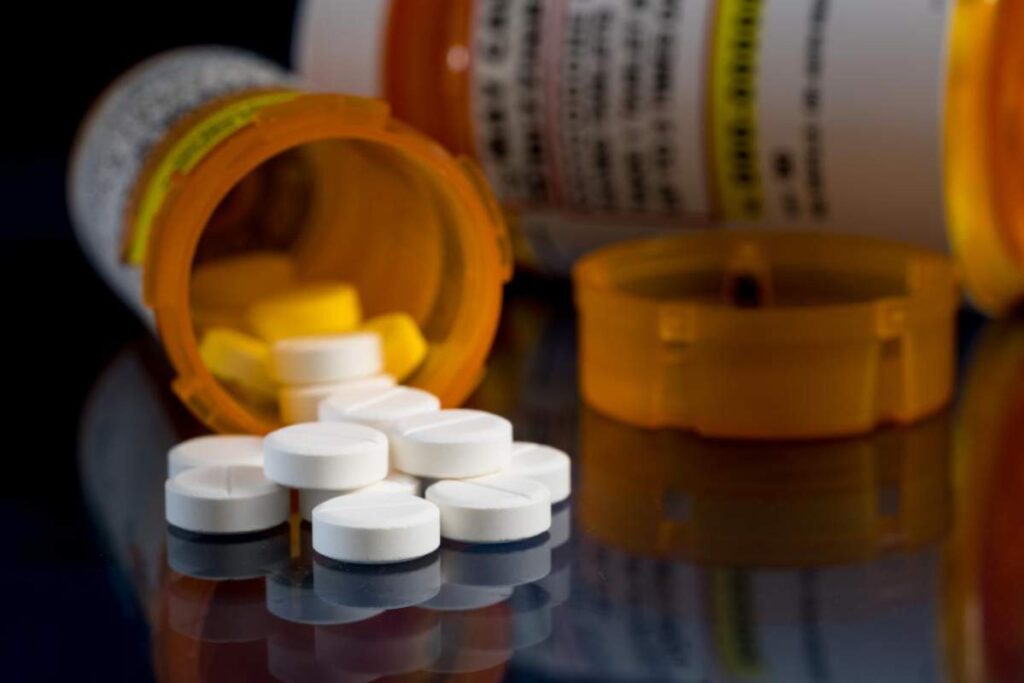
Why can alcohol change the way medicine works?
Alcohol can make a medicine stronger, weaker, or more dangerous. The interaction may affect how the body absorbs, breaks down, or responds to a medication. Alcohol can also add to side effects such as sleepiness, dizziness, poor coordination, low blood pressure, or slowed breathing. ([niaaa.nih.gov](https://www.niaaa.nih.gov/health-professionals-communities/core-resource-on-alcohol/alcohol-medication-interactions-potentially-dangerous-mixes?utm_source=openai))
The risk is not limited to prescription drugs. Over-the-counter pain relievers, allergy tablets, cough medicines, sleep aids, and some herbal products may also interact with alcohol. A medicine may be safe by itself but unsafe when combined with a drink, particularly if several medicines are being taken at the same time.
Timing does not always eliminate the risk. Alcohol and a medicine can interact even when they are not taken at precisely the same moment, depending on how long each substance remains active in the body. ([niaaa.nih.gov](https://www.niaaa.nih.gov/publications/brochures-and-fact-sheets/harmful-interactions-mixing-alcohol-with-medicines?utm_source=openai))
Which medicines are most concerning?
The exact risk depends on the medication, dose, health conditions, and amount of alcohol. Several medication groups deserve particular caution:
- Sleep medicines and sedatives: Alcohol can intensify drowsiness, impaired memory, falls, unusual sleep behaviors, and slowed breathing. This includes many benzodiazepines and prescription insomnia medicines.
- Opioid pain medicines: Combining an opioid with alcohol can dangerously suppress breathing and increase the risk of overdose.
- Allergy and cold medicines: Ingredients such as diphenhydramine, doxylamine, chlorpheniramine, and some other antihistamines may cause more sleepiness, dizziness, and impaired coordination when mixed with alcohol.
- Cough medicines: Dextromethorphan and codeine-containing products may cause excessive drowsiness, impaired judgment, or breathing problems with alcohol.
- Certain antidepressants and anxiety medicines: Alcohol may worsen dizziness and drowsiness, reduce treatment benefits, worsen depression, or raise the risk of other serious effects with specific drugs.
- Blood thinners: Alcohol can increase bleeding risk with warfarin and may make blood-clot control less predictable.
- Anti-inflammatory pain relievers: Regular or heavy alcohol use can increase the chance of stomach irritation, ulcers, bleeding, or liver problems with medicines such as ibuprofen, naproxen, and diclofenac.
- Acetaminophen-containing products: Alcohol can increase concern about liver injury, especially with repeated doses, heavy drinking, or existing liver disease. Many combination cold and flu products contain acetaminophen, so reading the active-ingredient list matters. ([niaaa.nih.gov](https://www.niaaa.nih.gov/health-professionals-communities/core-resource-on-alcohol/alcohol-medication-interactions-potentially-dangerous-mixes?utm_source=openai))
These examples are not a complete list. Medication labels and individual instructions should take priority over general rules.
Does one drink make a difference?
It can. The answer depends on the medicine and the person taking it. A small amount of alcohol may still cause a strong reaction with a sleep aid, opioid, sedative, or certain psychiatric medicines. Alcohol can also have a greater effect in older adults, people with liver or kidney disease, and anyone taking multiple medications. ([niaaa.nih.gov](https://www.niaaa.nih.gov/health-professionals-communities/core-resource-on-alcohol/alcohol-medication-interactions-potentially-dangerous-mixes?utm_source=openai))
A common misconception is that waiting a few hours makes every combination safe. That is not reliable. Some medicines remain in the body well after the dose is taken, and extended-release products may work over many hours. Alcohol may also remain active longer than expected, particularly after several drinks.
For residents managing medications during long workdays, outdoor activities, or winter travel, extra caution is useful. Drowsiness and slower reaction time can become especially hazardous when driving, walking on icy surfaces, using tools, or working around machinery.
What about over-the-counter products?
Over-the-counter medicines are not automatically safe with alcohol. Cold, allergy, cough, and nighttime products often contain more than one active ingredient. A person may unintentionally combine alcohol with a sedating antihistamine, acetaminophen, or another ingredient by taking a multi-symptom product.
Before drinking, check:
- The “Active ingredients” section.
- Warnings involving alcohol, sedatives, or tranquilizers.
- Whether another medicine already contains acetaminophen.
- Whether the product causes drowsiness or advises against driving.
- Whether a liquid medicine contains alcohol as an inactive ingredient.

The FDA specifically advises avoiding alcohol with certain antihistamines, cough-and-cold products containing dextromethorphan, and medicines used for sleeplessness. ([fda.gov](https://www.fda.gov/drugs/resources-drugs/drug-interactions-what-you-should-know?utm_source=openai))
Can alcohol make a medicine less effective?
Yes. Alcohol may change the way a medicine is absorbed or metabolized, causing medication levels to become too high or too low. It may also make it harder to take doses consistently or follow treatment instructions.
For some antidepressants, alcohol can worsen depression, increase impairment, or reduce adherence to treatment. With diabetes medicines, alcohol may contribute to blood-sugar problems in certain circumstances. With blood-pressure medicines, the combination may increase dizziness or fainting. The interaction depends on the specific drug, so a general “safe waiting period” cannot be applied to every prescription.
What should someone do before drinking?
The safest approach is to check the medication label and the complete list of medicines being taken, including vitamins and herbal products. Ask a pharmacist or prescriber a specific question such as: “Can I drink alcohol while taking this medicine, and if not, how long should I avoid it?”
Keep the medication container or an accurate medication list available. This is especially useful when a product has a long generic name or several active ingredients. Do not stop a prescribed medicine simply to drink unless a qualified healthcare professional has given specific instructions.
If the label says “avoid alcoholic beverages,” treat that as a firm warning rather than a suggestion. If the warning is unclear, avoid alcohol until the interaction has been checked.
What symptoms require urgent help?
Seek emergency help for trouble breathing, inability to wake the person, severe confusion, fainting, seizure, blue or gray lips, repeated vomiting, chest pain, or signs of serious bleeding such as vomiting blood or passing black stools.
A person who is very sleepy after combining alcohol with an opioid, sedative, or sleep medicine should not be left alone to “sleep it off.” Do not make the person vomit, and do not give more medicine, food, or alcohol. Emergency services or Poison Control can provide immediate guidance based on the exact substances and amounts involved.
The safest rule for an unfamiliar medication is simple: avoid alcohol until the label or a medication expert confirms that the combination is acceptable. This is particularly important for older adults, people taking several medicines, and households using combination cold, pain, or sleep products. ([niaaa.nih.gov](https://www.niaaa.nih.gov/health-professionals-communities/core-resource-on-alcohol/alcohol-medication-interactions-potentially-dangerous-mixes?utm_source=openai))