

 See My Latest Article on HelloNation
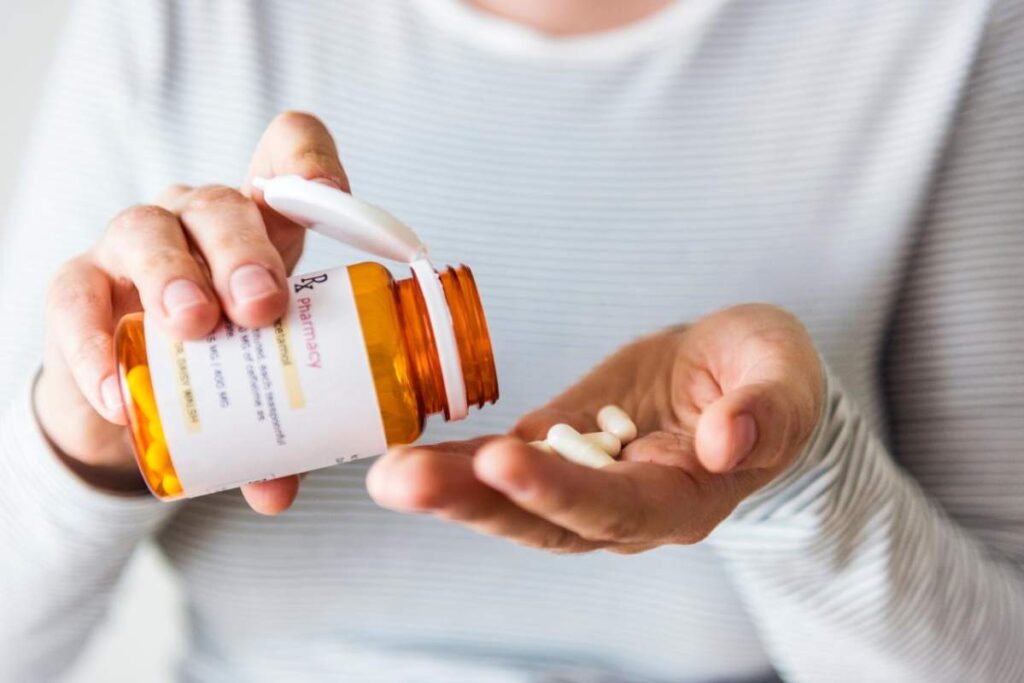
Why Does Temperature and Humidity Matter for Medication Storage?
Storing medications at the correct temperature and humidity helps ensure they remain effective and safe to use. Many medicines are sensitive to heat and moisture, which can cause them to lose potency or change in ways that make them unsafe. In Tooele, UT, where summer days can bring high temperatures and arid conditions, these factors play a significant role for residents who wish to protect their medicines.
What Are the Ideal Storage Conditions for Most Medications?
Most prescription and over-the-counter medications are best stored at room temperature, typically between 68°F and 77°F (20°C to 25°C), and away from excessive moisture. However, “room temperature” in science means a steady, climate-controlled space—not a room that swings from cool mornings to sweltering afternoons.
- Exceptions: Some medications require refrigeration or special handling—always check your medicine’s label or official information sheet for specific directions.
Which Home Areas Are Safest for Medication Storage?
Direct sunlight, inconsistent indoor temperatures, and humidity-prone rooms make poor choices for storing medication. In local homes, the following areas tend to offer safer conditions:
- Bedroom closets or dresser drawers: These usually stay cooler and drier than kitchens or bathrooms, especially if located on interior walls.
- High shelves away from appliances: Kitchens can get warm during cooking, and bathrooms become humid with showers, both can degrade medications faster.
- Dedicated storage boxes: An opaque box kept in a low-traffic, cool area can also help shield medicines from light, heat, and humidity.
What Problems Can Hot or Humid Summers in Tooele Cause?
In Tooele, summer temperatures can climb well above 90°F, and while overall humidity is moderate, home interiors—especially rooms with poor airflow, southern exposure, or attic spaces—can see significant temperature spikes. These issues can:
- Break down active ingredients faster, rendering medicine less effective
- Alter the appearance, smell, or texture of pills and liquids
- Lead to accidental exposure to children and pets if medicines are left unattended while searching for a “cool spot”
How Should Medications Be Secured in Vehicles or During Day Trips?
Leaving medicines in parked cars during hot summer days is especially risky. The inside of a vehicle can reach 120°F or more within minutes—even if outside temperatures seem mild. Unless a medication specifically requires refrigeration and you use a portable cooler, it is best not to store medicine in cars, glove compartments, or trunks.
- For day trips: Use insulated thermal pouches if you need to keep something cool. Bring medication into air-conditioned buildings when you arrive at your destination.
Do Kitchens and Bathrooms Really Cause Problems for Storage?
Yes—both kitchens and bathrooms are common but problematic storage spots. Cooking creates heat fluctuations in the kitchen, while steamy showers or baths spike humidity in the bathroom. This moisture can seep into pill bottles and cause tablets or capsules to break down or grow mold.
- Store medication in sealed, original containers, and avoid pill organizers in humid rooms.
- Make sure lids are closed tightly after every use.

What About Refrigerated or Special-Temperature Medications?
Some life-saving medications—like certain insulins or injectables—must be refrigerated. Home refrigerators can have “cold spots” or areas that freeze easily (usually at the back or bottom). Store these medications in the center of the fridge, in their original packaging, and away from freezer vents. Never place medications directly on ice or in the freezer unless specifically directed.
How Can You Tell If Medication Has Gone Bad?
If you notice any of the following, stop use and check official guidance or speak to a pharmacist:
- Change in color or texture (tablets crumbly, liquids cloudy or separated)
- New or odd smells
- Labels that become hard to read due to moisture damage
- Pills sticking together in bottles
Expired or questionable medications should be disposed of safely—never flushed down toilets or thrown in regular trash. Community programs or pharmacy take-back days offer safer disposal options.
Are There Special Concerns for Children, Pets, or Vulnerable Adults?
Heat and humidity can degrade medicines, but they can also contribute to accidental poisonings if safe storage is neglected. Choose child-resistant containers and always keep medications out of sight and reach of children and pets. Use high shelves or locked boxes for added security in homes with young children or others who might access medicines unaware of the risks.
Do Local Climate and Housing Patterns Pose Unique Challenges?
In Tooele, many homes have swamp coolers instead of air conditioning, which add moisture to the indoor air during hot months. Older houses might also lack attic insulation, leading to greater indoor warmth. These factors make it especially relevant to:
- Avoid attic storage, even if out of reach
- Check storage spaces for signs of excess moisture, such as condensation on walls or inside cabinets
What’s the Safest Long-Term Practice for Area Households?
Clean, climate-stable, out-of-reach storage is the best long-term approach for most medications. Use dedicated spots that avoid major temperature swings and increased humidity. Regularly review all medications for expired items or those showing signs of damage, and replace as needed. Taking a few minutes to protect your medicine supply helps keep it reliable and effective, even through the warmest Tooele summers.